HbA1c vs Fasting Blood Sugar: Which Diabetes Test Should You Get?

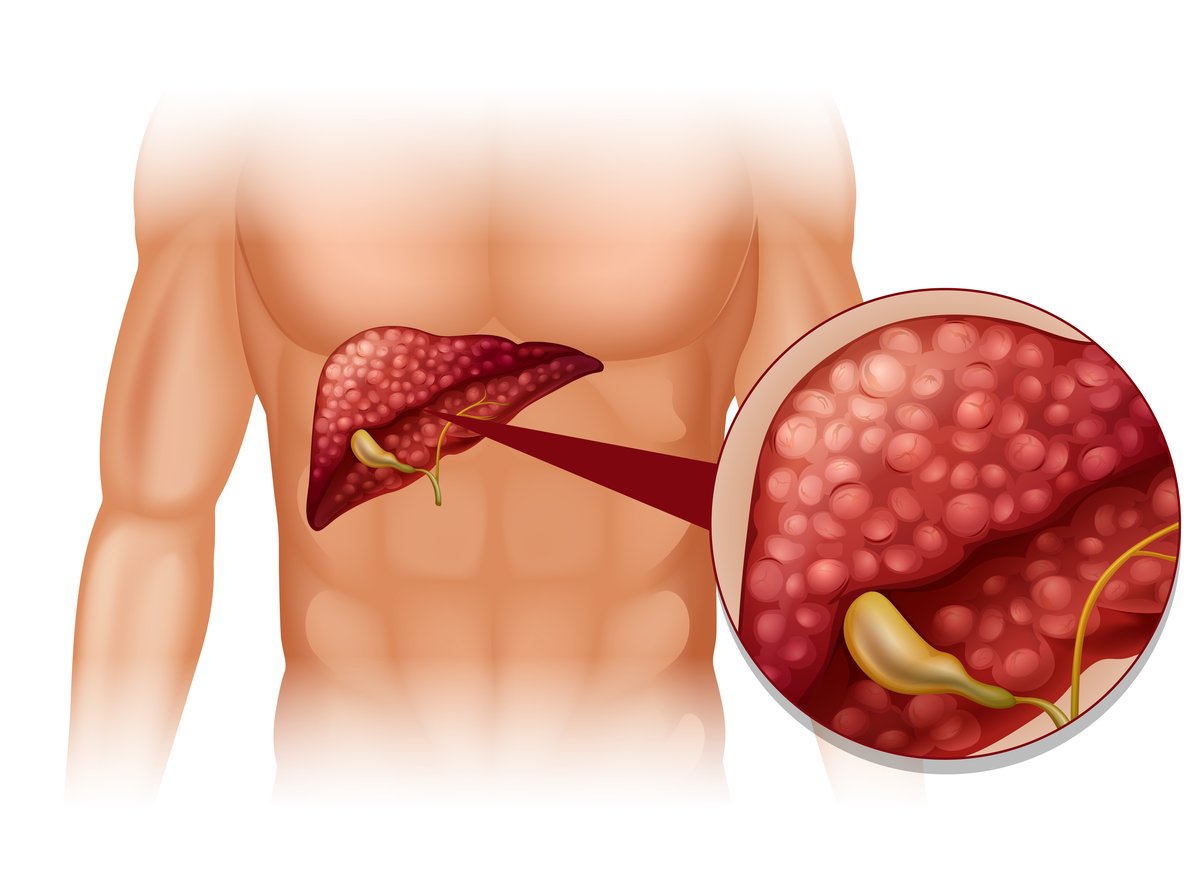
Diabetes is a group of conditions that cause high blood sugar. In diabetes, the body either does not make enough insulin or cannot use it properly to break down sugar — and over time, untreated high sugar can damage the kidneys, eyes, nerves and other organs.
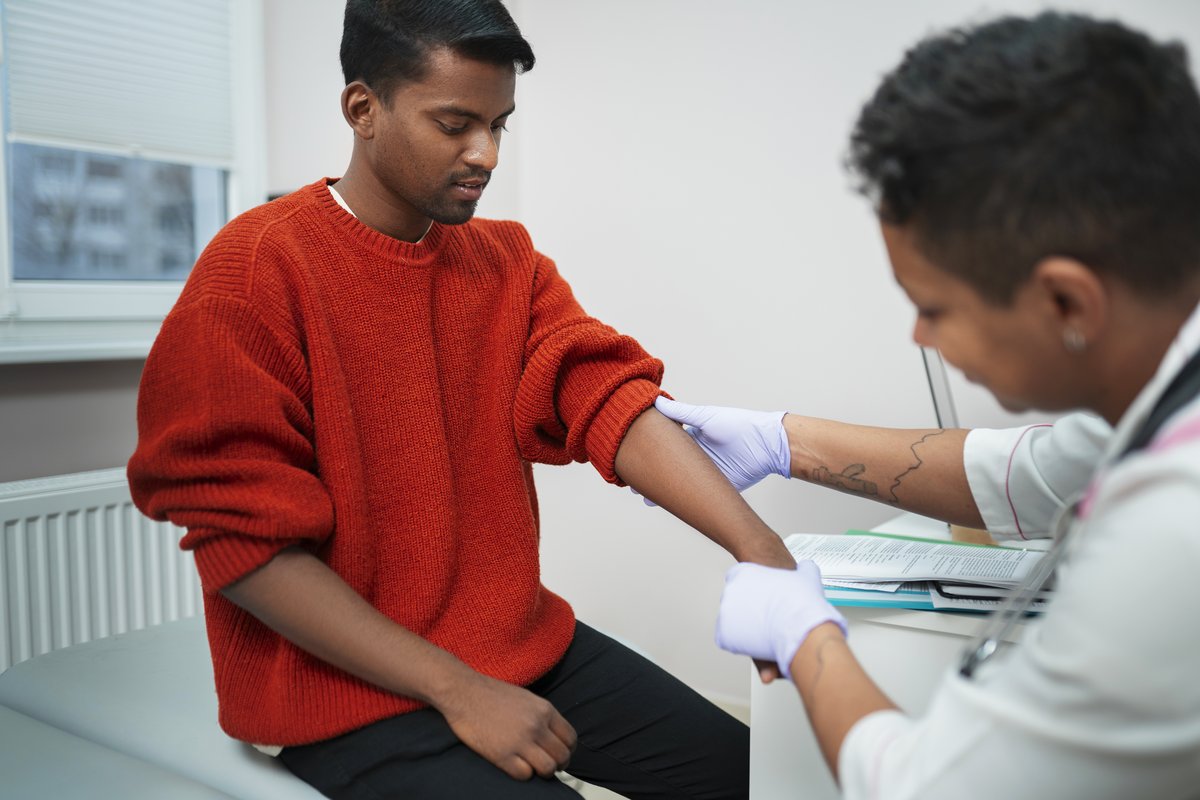
Diagnosing diabetes early is essential for effective treatment. Blood tests are the most reliable way to do this, and the two most common are the HbA1c test and the fasting blood sugar (FBS) test. Both help doctors assess your blood glucose and decide whether you are diabetic or pre-diabetic. So which one should you get? Here's the breakdown.
What Is the Fasting Blood Sugar (FBS) Test?
A fasting blood sugar test measures the glucose in your blood after an overnight fast of at least 8 hours. Because food directly affects blood glucose, fasting ensures the result reflects your true baseline. It is one of the most common tests for diagnosing diabetes and pre-diabetes.
Normal Fasting Blood Sugar Levels
- Normal: 70–99 mg/dL
- Prediabetes: 100–125 mg/dL
- Diabetes: 126 mg/dL or higher
What Is the HbA1c Test?
The HbA1c test (also called glycated haemoglobin) measures your average blood sugar over the past two to three months. It shows how much glucose has attached to the haemoglobin in your red blood cells. Unlike the fasting test, HbA1c does not require fasting and gives a longer-term picture of how well your blood sugar is controlled.
Normal HbA1c Levels
- Normal: below 5.7%
- Prediabetes: 5.7–6.4%
- Diabetes: 6.5% or higher
Who Should Get a Diabetes Test?
- People with a family history of diabetes
- People who are overweight or obese
- Anyone with unexplained weight loss
- People with high blood pressure
- People with a sedentary lifestyle
- Women with a history of gestational diabetes
- Anyone with excessive thirst or frequent urination, especially at night
- People with frequent fatigue
HbA1c vs Fasting Blood Sugar: Which Is More Accurate?
Both tests are important for confirming diabetes and tracking glucose over time. However, HbA1c gives a more complete picture because it reflects long-term sugar patterns rather than a single reading.
- When diabetes is suspected, combining fasting blood sugar with HbA1c gives the most reliable result.
- For ongoing monitoring, doctors generally prefer HbA1c — usually at least twice a year once diabetes is confirmed.
Unmanaged diabetes can lead to serious complications, so early detection matters. If you are at higher risk or have any symptoms, book a diabetes test at our NABL-accredited biochemistry lab in Delhi & Noida, or contact us to schedule it with home sample collection.